
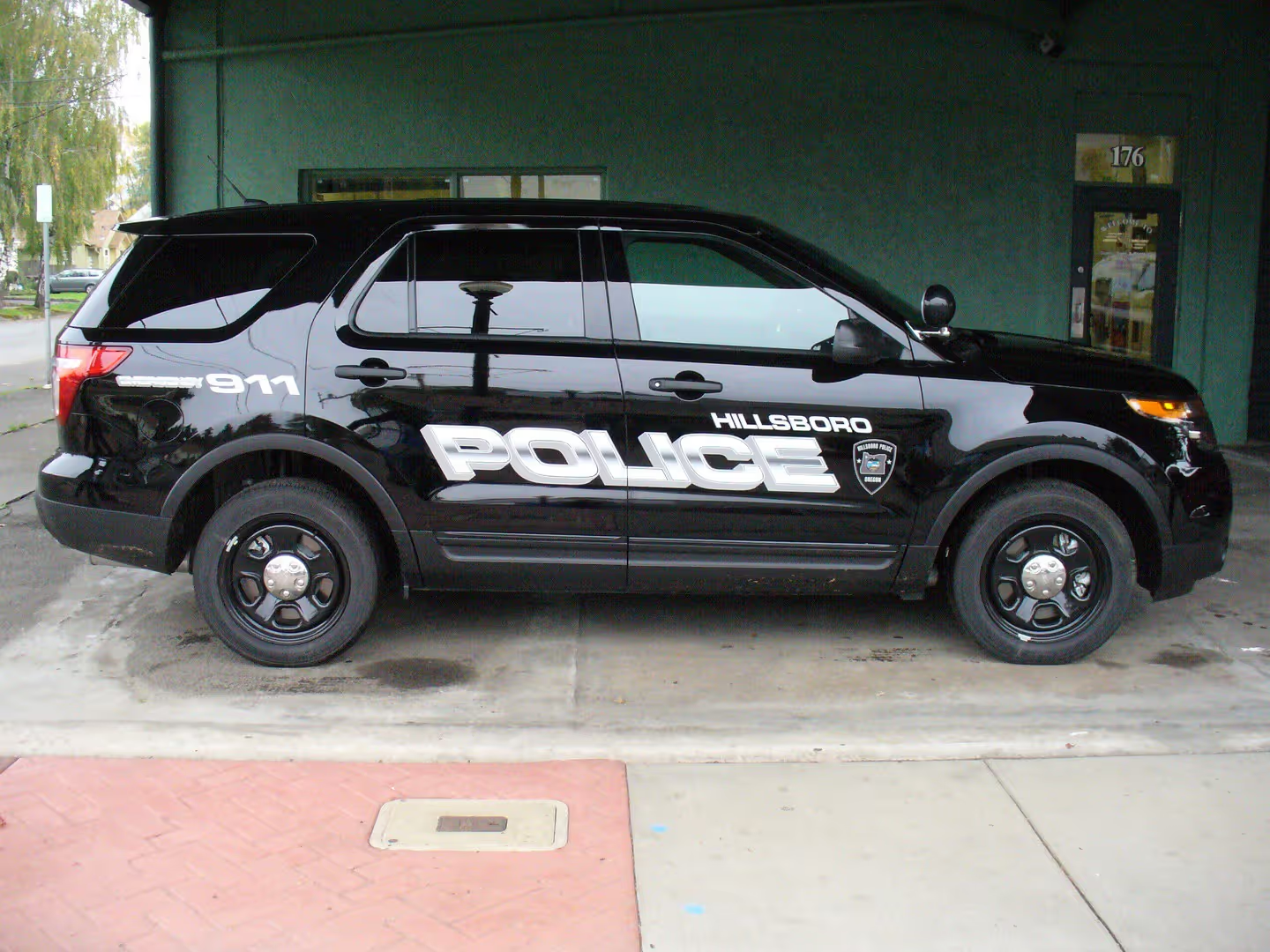
EMS vehicle wraps and emergency vehicle graphics in Oregon
EMS vehicle wraps require retroreflective materials, compliance with NFPA 1901, and familiarity with Oregon regulations. Here’s what that means in practice.
.avif)
.avif)
.avif)
.avif)
.avif)
.avif)
.avif)
Why EMS wraps are different
Emergency vehicle graphics aren’t just branding — they’re safety infrastructure. Visibility requirements exist because they save lives: the ability to identify an approaching emergency vehicle at night or in low-visibility conditions directly affects response outcomes.
That means the material specifications, color standards, and placement patterns for EMS wraps are governed by a different set of requirements than commercial fleet graphics. Getting them wrong isn’t just an aesthetic problem.
NFPA 1901 and retroreflective requirements
NFPA 1901 (Standard for Automotive Fire Apparatus) establishes retroreflective sheeting requirements for fire apparatus in the US. Key requirements include a minimum 4-inch retroreflective stripe around the perimeter of the apparatus body and the use of retroreflective materials meeting ASTM D4956 Type I or higher standards.
For ambulances, the Federal Specification KKK-A-1822 (now largely superseded by state and agency standards) historically defined graphics requirements. Oregon agencies increasingly specify their own standards, often referencing NFPA 1901 as a baseline.
Retroreflective materials we work with
3M Diamond Grade DG3 (Type XI) is the highest-performance retroreflective vinyl available for vehicle marking. It provides exceptional nighttime visibility at wide observation angles and is the preferred material for high-priority EMS and fire apparatus.
Oralite 5500 (Type V) is a high-intensity grade retroreflective film suitable for many ambulance and law enforcement applications where Type XI is not specified.
3M Engineer Grade (Type I) meets minimum NFPA retroreflective requirements and is appropriate for lower-priority fleet and support vehicle marking.
Chevron patterns and rear-facing markings
High-visibility chevron patterns on the rear of emergency vehicles — typically alternating fluorescent yellow-green and red retroreflective chevrons at a 45-degree angle — are increasingly required or recommended for fire, EMS, and law enforcement vehicles. NFPA 1901 recommends chevrons covering at least 50% of the rear-facing vertical surface.
Oregon-specific considerations
Oregon emergency vehicle graphics must comply with applicable federal and state standards as well as agency-specific specifications. Washington County agencies, the City of Hillsboro, and regional fire districts each maintain their own vehicle standards. We work directly with fleet managers and procurement officers to confirm compliance requirements before any production begins.
Answers to Common Questions
Yes. We have experience with EMS, fire apparatus, law enforcement, and municipal fleet graphics across the Portland metro.
We work with 3M Diamond Grade, Oralite 5500, and standard engineer-grade retroreflective films. Material selection is confirmed against your agency’s specifications before production.
Yes. We can match colors, patterns, and materials from existing units to maintain fleet consistency.
We handle production and installation. For large apparatus, we coordinate installation at your facility or a location that accommodates the vehicle size.
Signs that sell. Wraps that work.
Let us create high-quality graphics that help your business stand out.